AI-Ready Cloud Infrastructure: Preparing for Agentic AI
Agentic AI introduces infrastructure demands that extend beyond traditional application hosting. This TechFunnel article explores the compute, data, networking, observability and security capabilities needed to support increasingly autonomous AI workloads. Read it for practical perspective on modernizing cloud environments while balancing scalability, governance and cost. Connect with iTech DMV Solutions to discuss how these trends may influence your organization's technology strategy.
What does an AI-ready cloud infrastructure actually mean?
An AI-ready cloud infrastructure is a cloud environment that’s been designed specifically to run modern AI workloads – especially agentic AI systems that plan, reason, and take actions across business processes.
Unlike traditional setups that focus mainly on application hosting and databases, an AI-ready cloud brings together:
- Scalable compute – elastic CPU and GPU resource pools, auto-scaling, and distributed processing for training, fine-tuning, inference, and multi-agent operations.
- Advanced storage – high-throughput storage, fast retrieval, data tiering, and support for vector databases and embedding stores to handle large volumes of structured and unstructured data.
- Robust networking – low-latency, high-bandwidth connectivity, multi-cloud support, and edge-to-cloud integration so agents can access data and systems in near real time.
- Security and governance – identity and access controls, encryption, audit trails, compliance monitoring, and zero-trust security to protect sensitive systems from autonomous actions and data leakage.
- Data foundations – centralized data platforms, data lakes or lakehouses, metadata standards, and data quality monitoring to give agents a consistent, reliable view of the business.
This type of environment is built to support continuous AI operations, where agents run 24/7, interact with multiple applications, and depend on timely access to large and diverse datasets.
Why does agentic AI force us to rethink cloud architecture?
Traditional cloud environments were largely designed for transactional business apps, not for autonomous AI agents that run continuously and coordinate complex workflows. Agentic AI forces teams to rethink cloud architecture in several ways:
- Higher compute intensity – Agentic systems often combine large language models, reasoning engines, multimodal inputs, and vector search. This drives demand for GPUs, AI accelerators, and high-performance clusters for training, fine-tuning, and continuous inference.
- Low-latency expectations – In domains like finance, cybersecurity, and healthcare, even small delays can affect outcomes. Organizations need strong network performance, edge computing, distributed processing, and high-speed storage to keep agents responsive.
- Always-on, multi-system interactions – Agents pull data from CRMs, ERPs, IoT devices, data lakes, knowledge repositories, and external sources. This requires infrastructure that can handle large data volumes while maintaining governance and access controls.
- Greater complexity and risk – Modern AI setups mix models, data pipelines, compute clusters, vector databases, and monitoring tools. On top of that, autonomous agents may interact with sensitive systems, so organizations must address model vulnerabilities, API security, data leakage risks, and unauthorized actions.
Because of these factors, many organizations are moving toward hybrid and multi-cloud models, combining public cloud, private cloud, and edge computing so AI workloads can run where performance, compliance, and cost are best aligned.
How can we prepare our cloud and control costs for agentic AI?
Preparing for agentic AI is as much about cost discipline as it is about technology. Practical steps include:
1. Modernize and connect core systems
- Migrate legacy workloads to cloud-native platforms where possible.
- Replace or refactor outdated infrastructure that can’t integrate AI effectively.
- Adopt API-based integrations and a unified data strategy (data lakes / lakehouses, centralized platforms, shared metadata and quality standards).
This reduces data silos and lets agents operate with a broader, consistent business context.
2. Deploy AI-optimized hardware thoughtfully
- Use GPU-enabled cloud services and AI accelerators where they deliver clear value (e.g., training and high-volume inference).
- Consider specialized inference systems or high-performance clusters for demanding workloads.
Align hardware choices with specific workloads rather than overprovisioning.
3. Apply cost-management practices to AI workloads
- Resource optimization: dynamic scaling, scheduled allocation, capacity planning, and monitoring for idle resources.
- Model efficiency: use task-specific models when possible; apply techniques like model compression, quantization, distillation, and efficient inference architectures to reduce GPU time.
- Storage discipline: implement archiving, storage tiering, data lifecycle management, and removal of duplicate datasets to keep growing data volumes affordable.
4. Strengthen governance and skills
- Establish clear data governance covering quality, access, compliance, and retention.
- Assess gaps in AI engineering, cloud architecture, MLOps, and AI governance skills, and plan for hiring, training, or partnering.
By combining infrastructure modernization with structured cost controls, organizations can reimagine their cloud environment to support agentic AI without letting GPU, storage, and operations spending grow unchecked.
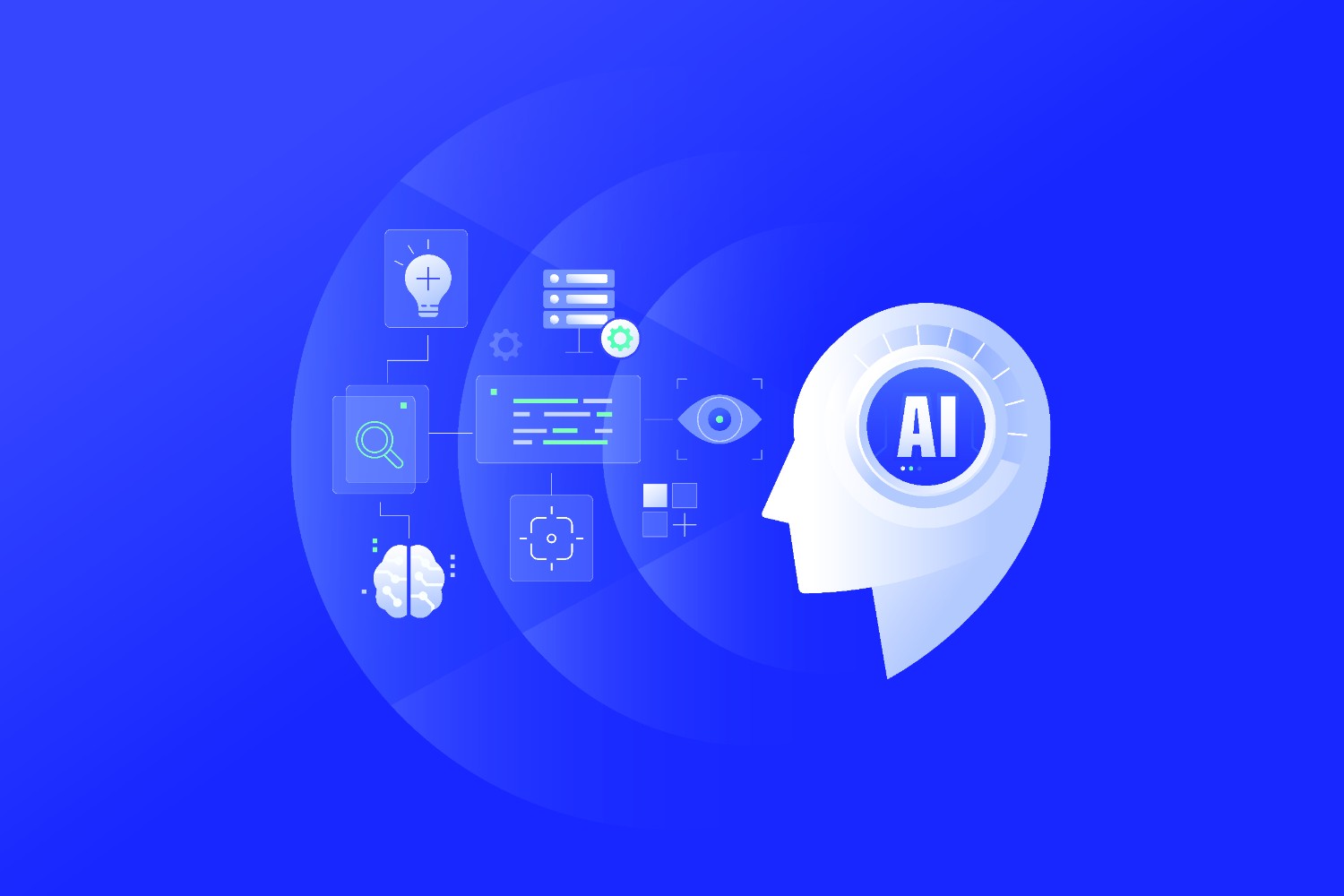
AI-Ready Cloud Infrastructure: Preparing for Agentic AI
published by iTech DMV Solutions
About Us
iTech: Your Trusted Technology Partner
At iTech, we bring over 30 years of experience as an exclusive Microsoft Partner. Our mission is to empower value-added resellers (VARs) like you to thrive and succeed while maintaining control of your projects. Here’s how we do it:
- Requirement Gathering: Our streamlined process ensures efficient requirement gathering with expert consultants.
- Development: We leverage Microsoft methodologies for faster time-to-market.
- Proactive Support: Expect Dynamics 365 upgrades and business continuity support.
- Global Reach: Our services extend across borders with country-specific expertise.
- Quality Upgrades: Timely project delivery and quality work.
- Comprehensive Testing: Rigorous testing processes.
- Standard Documentation: We adhere to Microsoft standards for documentation.
Technology Reseller Integrator: Seamless Solutions Integration
As your trusted technology solutions integrator, we seamlessly blend SaaS products, hardware, and software into your existing ecosystem. Here’s what sets us apart:
- Understanding Your Ecosystem: We analyze your infrastructure, data, and platforms.
- Customization and Configuration: Tailoring solutions to meet your unique needs.
- Technical Expertise: Our team of 5,700+ experts ensures successful implementation.
- Long-Term Partnership: Trust us to address your ambitions and insecurities.
- Modernization: Stay competitive in ever-changing markets.
- Data-Driven Decisions: Leverage data effectively within your systems.
Whether you’re navigating Microsoft 365 or integrating cutting-edge solutions, we’re here to support your digital journey. Welcome to the future of technology!




 Sign in with LinkedIn